


What Happens If a Crown Breaks or Falls Off?
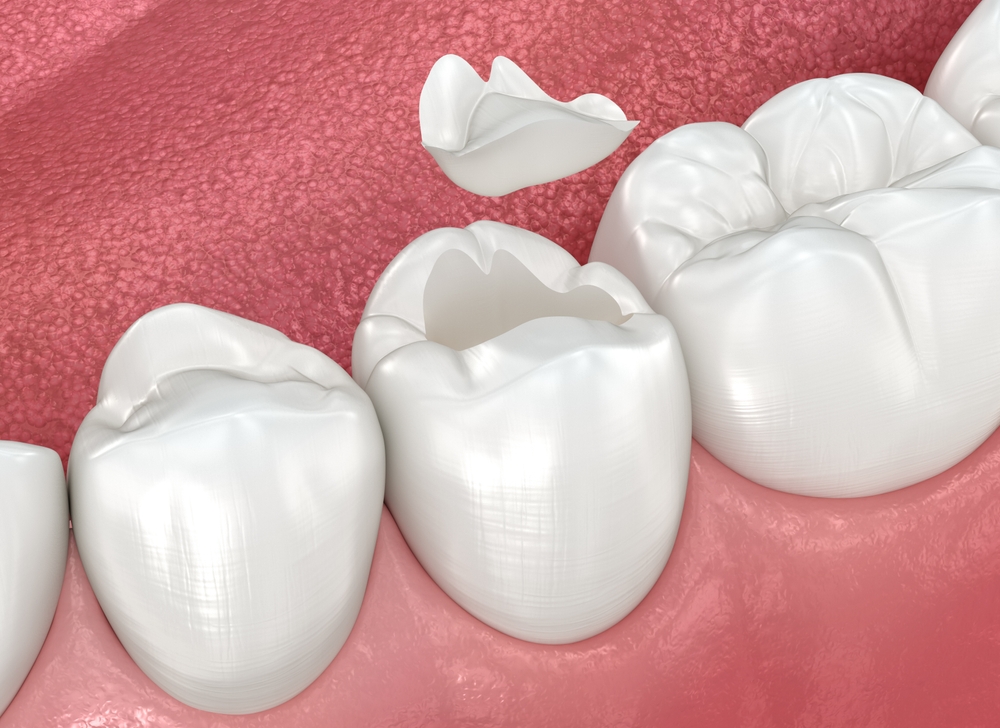
A dental crown is meant to protect and strengthen a damaged tooth, so it can be unsettling when one suddenly breaks or falls off. Whether it happens while eating, brushing, or seemingly out of nowhere, a lost or damaged crown leaves your tooth exposed and vulnerable. Knowing what to do next can help you avoid discomfort and prevent further dental problems.
Why Do Dental Crowns Break or Fall Off?
A dental crown can become damaged or come loose for a variety of reasons. One of the most common causes is normal wear and tear from everyday chewing and biting. Over time, constant pressure on the crown can weaken the material, especially if the crown has been in place for many years.
Tooth decay developing underneath the crown is another frequent issue. If bacteria reach the underlying tooth, the structure supporting the crown can deteriorate, making it more likely for the crown to loosen or fall off. Trauma or injury can also crack or dislodge a crown unexpectedly.
Grinding or clenching your teeth, particularly at night, places excessive force on dental restorations. This ongoing stress can cause crowns to fracture or shift out of position. Similarly, biting down on hard foods like ice, hard candy, or nuts can damage the crown or weaken the cement holding it in place.
In some cases, the issue lies with the dental cement itself. Over time, the bonding material that secures the crown can wear down or fail, allowing the crown to loosen. Even well-made crowns may break or fall off after years of use, especially if the underlying tooth structure changes or weakens.
What Should You Do If a Crown Breaks or Comes Off?
If your crown breaks or falls out, it’s important to act quickly:
Do not throw the crown away: If the crown comes off in one piece, save it. In some cases, it may be possible to reattach it.
Avoid chewing on that side of your mouth: The exposed tooth may be sensitive and vulnerable to further damage.
Keep the area clean: Gently rinse your mouth with warm water to keep the tooth and gums clean.
Contact your dentist right away: Prompt dental care helps prevent pain, infection, or damage to the underlying tooth.
Avoid using over-the-counter adhesives or attempting to fix the crown yourself, as this can complicate professional treatment.
How Is a Broken or Lost Crown Fixed?
Treatment depends on the condition of both the crown and the underlying tooth:
Re-cementing the crown if it’s intact and the tooth is healthy
Replacing the crown if it’s cracked, damaged, or no longer fits properly
Treating decay or infection before placing a new crown
Additional restorative work if the tooth structure has weakened
Your dentist will evaluate the tooth and recommend the best option to restore function and protect your oral health.
Get Expert Care for Crown Repairs and Replacements
A broken or fallen dental crown may feel urgent, but it’s a common issue that can often be resolved quickly with professional care. Acting promptly helps protect the underlying tooth, relieve discomfort, and prevent more serious complications. With the right treatment, your smile can be fully restored and protected for years to come.
If you’re experiencing a broken or loose dental crown, contact Castro Valley Dentistry for prompt dental care to restore your comfort and confidence. Visit our office in Castro Valley, California, or call (510) 674-0900 to book an appointment today.
Quick Links

All Smiles
Dental Services

Keep
In Touch
Contact Us
Quick contact form
clinic Hours
- MondayBY APPOINTMENT ONLY
- Tuesday9:00 AM - 6:00 PM
- Wednesday10:00 AM - 5:00 PM
- ThursdayBY APPOINTMENT ONLY
- Friday9:00 AM - 5:30 PM
- 2ND/4TH Saturdays9:00 AM - 5:00 PM
- SundayClosed
Powered by: 
